


Monument Signs on Long Island: What Property Owners Should Know Before Building One
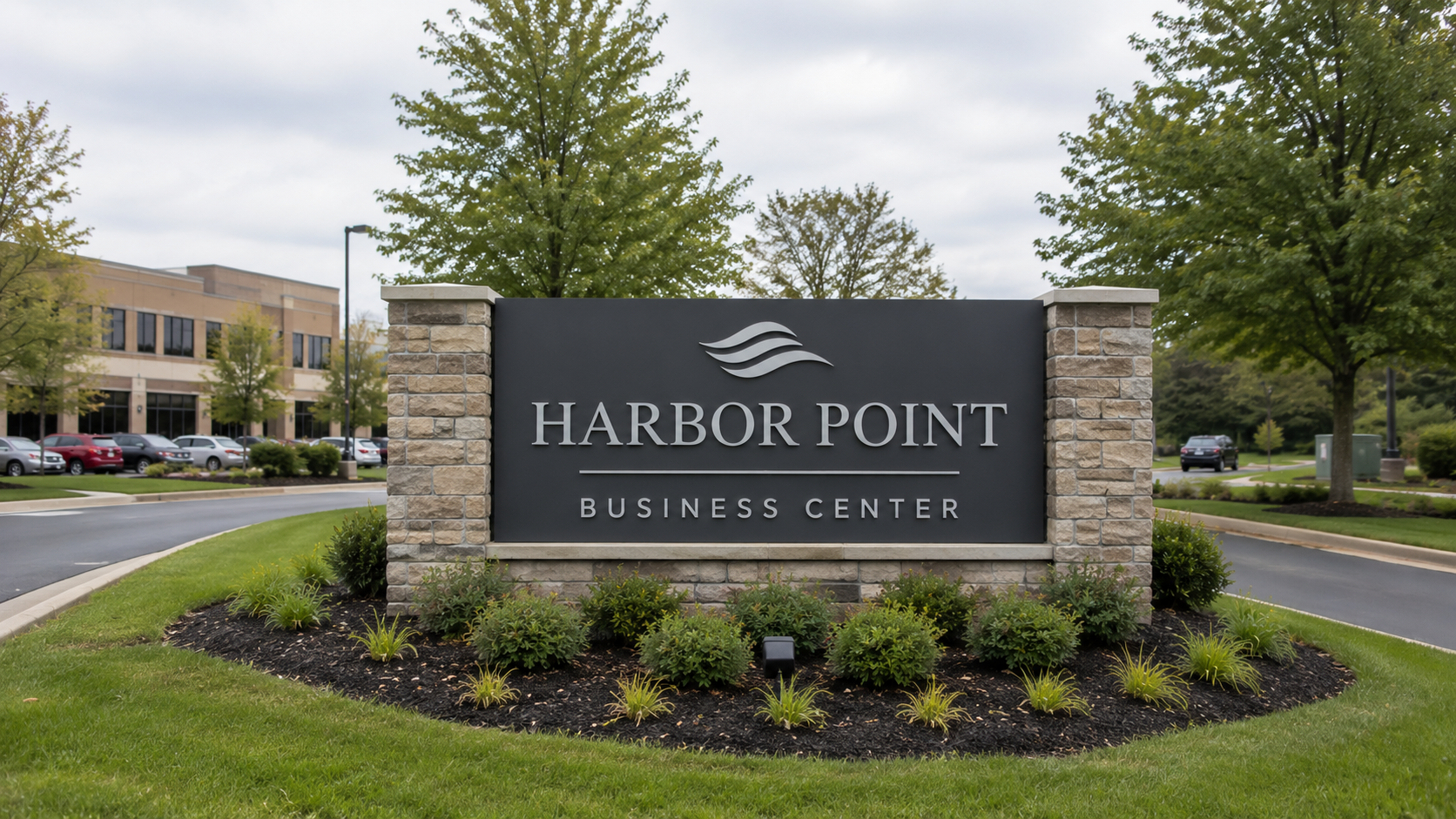
Monument signs on Long Island require more than a good-looking design. Property owners must account for zoning rules, permits, visibility, materials, wind exposure, drainage, lighting, and installation conditions. The best projects start with a site review, code check, durable material selection, and a sign partner that can manage design, fabrication, permitting, and installation.
Monument signs create a permanent first impression for commercial properties
A monument sign is a freestanding ground sign, usually built at the entrance of a property, business park, medical office, retail center, school, church, municipal building, or multi-tenant commercial site. Unlike temporary banners or basic post-and-panel signs, monument signs are designed to look permanent, architectural, and integrated with the property.
For Long Island businesses, this matters. Drivers often have only a few seconds to identify an entrance, especially along busy roads in Nassau County, Suffolk County, Seaford, Uniondale, Hempstead, Massapequa, Farmingdale, Garden City, and surrounding areas. A well-built monument sign helps people find you, trust you, and remember your location.
A strong monument sign should do four things well:
- Identify the property clearly from the road.
- Match the building’s architecture and brand.
- Hold up to weather, landscaping, snow removal, and daily exposure.
- Comply with local sign code before fabrication begins.
If you are planning a new commercial entrance sign, Empire Sign & Design can help you review options for custom outdoor signs and determine whether a monument sign is the right fit for your site.
Local rules and site conditions shape every monument sign project
The biggest mistake property owners make is treating a monument sign like a standalone product. On Long Island, it is a site-specific construction project.
Municipal rules can affect:
- Maximum sign height
- Maximum sign square footage
- Setback from the road or property line
- Distance from intersections, sidewalks, and driveways
- Illumination limits
- Tenant panel rules
- Landscaping requirements
- Electrical permits
- Foundation requirements
In places like Seaford, the process can be even more specific because Seaford is an unincorporated hamlet within the Town of Hempstead. That means business owners need to consider Town of Hempstead zoning requirements along with local site conditions. South Shore geography can also introduce additional concerns such as wind exposure, sandy soil, drainage, salt air, and coastal moisture.
Empire Sign & Design team insight:
“When installing a monument sign in Seaford, NY, business owners frequently underestimate local municipal regulations and South Shore environmental conditions. Because Seaford is an unincorporated hamlet within the Town of Hempstead, specific zoning laws and coastal geography dictate every step of the process.”
That is why an early site review is not a formality. It helps prevent costly redesigns, rejected permit applications, weak visibility, or installation problems after the sign has already been fabricated.
The right monument sign depends on the property, budget, and approval path
Not every property needs the same type of monument sign. A medical office may need a clean, professional, internally illuminated sign. A shopping center may need tenant panels that can be updated over time. A corporate property may want masonry, stone, aluminum, or dimensional lettering that matches the building.
| Sign Type | Typical Cost Range | Typical Timeline | Permit Requirements |
| Post-and-panel entrance sign | $2,500–$8,000 | 2–5 weeks | Often required; usually simpler than masonry signs |
| Standard monument sign with aluminum or composite panels | $5,000–$15,000 | 4–8 weeks | Commonly required; zoning review likely |
| Illuminated monument sign | $10,000–$30,000 | 6–10+ weeks | Sign permit and electrical permit may be required |
| Masonry, stone, or architectural monument sign | $15,000–$35,000+ | 8–12+ weeks | More detailed approvals; foundation and site work considerations |
| Multi-tenant monument sign | $12,000–$40,000+ | 6–12+ weeks | Permit required; tenant panel sizing and changeability matter |
These ranges are general planning numbers. Final pricing depends on dimensions, materials, illumination, foundation, masonry, electrical access, site preparation, and whether engineering or landlord approvals are needed.
For property owners comparing options, the smartest first step is to request a site-specific review through Empire Sign & Design’s consultation page. A professional review can help narrow the design, permitting path, and realistic budget before money is spent on the wrong concept.
Durable materials protect your investment in Long Island weather
A monument sign is constantly exposed. Long Island property owners should think beyond how the sign looks on installation day and ask how it will perform after years of sun, rain, salt air, wind, sprinklers, landscaping work, and winter conditions.
Common material choices include:
- Aluminum: Durable, lightweight, corrosion-resistant, and suitable for panels, cabinets, and dimensional elements.
- Acrylic or polycarbonate: Often used for illuminated faces, tenant panels, and routed graphics.
- High-density urethane or composite materials: Useful for dimensional looks without the weight of stone.
- Brick, stone, or masonry: Strong architectural presence, but requires more planning, foundation work, and cost.
- LED illumination: Efficient and highly visible, but must be designed around local lighting rules and service access.
On the South Shore, material selection becomes even more important. Salt air and moisture can shorten the life of cheap finishes, exposed fasteners, low-quality electrical components, or poorly sealed cabinets. A better sign may cost more upfront, but it reduces maintenance headaches and protects the property’s curb appeal.
A smooth monument sign project follows a clear process
A good monument sign project should move through a structured path, not a guessing game. Property owners should expect these steps:
- Site review: Measure visibility, setbacks, traffic direction, landscaping, lighting, and installation access.
- Code and permit research: Confirm local zoning, allowable size, height, placement, and illumination.
- Design concept: Create a sign that fits the building, brand, and viewing distance.
- Material and budget review: Select the right structure, finish, lighting, and foundation approach.
- Permit submission: Prepare drawings and documentation for municipal review when required.
- Fabrication: Build the sign after approvals are clear.
- Installation: Coordinate foundation, electrical, placement, and final finishing.
- Maintenance planning: Keep the sign clean, illuminated, and structurally sound.
Empire Sign & Design emphasizes customer service, quality control, and timely project management from concept through installation. For owners who do not manage sign projects often, that guidance can be the difference between a clean installation and a frustrating delay.
Monument signs should balance visibility, branding, and compliance
The best monument signs on Long Island are not necessarily the biggest signs. They are the clearest, most appropriate signs for the property.
Before approving a design, property owners should ask:
- Can drivers read the sign at normal road speed?
- Is the lettering large enough for the viewing distance?
- Does the sign block sightlines near entrances or intersections?
- Will landscaping hide the sign in one or two seasons?
- Is illumination needed for evening visibility?
- Can tenants or business names be updated later?
- Does the design match the building and surrounding property?
- Has the local permit path been reviewed?
A monument sign should feel permanent, but it should also be practical. A sign that looks impressive in a rendering may fail in real life if the copy is too small, the contrast is weak, the sign sits too low, or the location is restricted by code.
FAQs about monument signs on Long Island
Do monument signs on Long Island require permits?
In many cases, yes. Monument signs often require municipal review because they involve size, height, placement, setbacks, illumination, and sometimes electrical work. Requirements vary by town, village, zoning district, and property type, so the permit path should be checked before design and fabrication.
How much does a monument sign cost on Long Island?
A basic monument-style sign may start around $5,000, while illuminated, masonry, architectural, or multi-tenant monument signs can range from $15,000 to $35,000 or more. Cost depends on size, materials, lighting, foundation work, permitting, electrical access, and site conditions.
How long does it take to build and install a monument sign?
Many monument sign projects take 4 to 12 weeks from planning to installation. Simple signs may move faster, while illuminated signs, masonry structures, multi-tenant signs, or projects requiring municipal approvals can take longer. Permitting is often the biggest variable.
What is the best material for a Long Island monument sign?
The best material depends on the location, budget, design style, and exposure. Aluminum, composite materials, acrylic, masonry, stone, and LED components are common choices. Coastal or South Shore locations should prioritize corrosion resistance, sealed construction, drainage, and durable finishes.
Can a monument sign be illuminated?
Yes. Monument signs can use internal LED lighting, external ground lighting, halo-lit letters, or illuminated tenant panels. Illumination must be planned carefully because local codes may limit brightness, placement, electrical work, and hours of operation. A properly lit sign improves visibility without overwhelming the property.


